

Rangoon
Rangoon is a local-first workbench for building agent skills, composing workflows, and compiling saved revisions into inspectable instruction bundles.
Independent engineering / Complex systems
SI infrastructure.
Systems software.
Super Intelligence (SI) is Hypler’s engineering focus for model interfaces, retrieval pipelines, and agent workflows. We define data contracts, access controls, and execution boundaries for each system.
Implementation covers API contracts, persistent data, validation, and release operations.
Tools / Interfaces / Infrastructure
Technology marks scroll automatically. Hover or focus pauses movement. Press Space to toggle persistent pause. When enabled, automatic scrolling resumes only after pointer and keyboard focus leave the strip. Use the Left and Right Arrow keys to move by one technology.
Automatic scrolling enabled; paused while hovered or focused.01 / Selected systems
Rangoon is a local-first workbench for building agent skills, composing workflows, and compiling saved revisions into inspectable instruction bundles.
LNSATLocal technical review informed by verified engineering history, with a separate Gateway for authorizing consequential agent actions.

An independent semantic language and experimental Rust core for checking what meaning is preserved, changed or unresolved across system boundaries.
VUSL has an independent experimental Rust core for semantic-fidelity checks. Rangoon is an intended consumer; application integration and alignment with System One/System Two workflows remain in development.
RangoonIntended consumer / Updates pendingWorkbench alignment and native consumer qualification remain pending.
Provider mapping work is in development.
LNSATIndependent evidence boundarySemantic review can inform a host workflow; LNSAT advice and Gateway authority remain separate from VUSL results.
Reference ecosystem; inclusion does not establish a supported integration.
Hypler-developed diamond data infrastructure connecting supplier inventory, product evidence, discovery, and reusable retail APIs.
Technology references
02 / Working with existing systems
We map the workflow, code, data, and operating constraints before defining the smallest useful change.
We work with the people responsible for it: trace the workflow, read the code, follow the data, and identify where handoffs break down. Existing tools and operating constraints shape the work.
A shared problem, clear boundaries, and a useful first release.
We develop SI-oriented workflows with current models, customer interfaces, ingestion pipelines, and APIs that connect existing systems. The business problem shapes the architecture and technology choices.
Working software connected to the systems your team relies on.
Test the behavior, inspect failure cases, and make permissions and evidence explicit. Your team gets the implementation, operational context, known limits, and the next useful increment.
A reviewable handoff, with consequential releases under human control.
03 / Software development capabilities
Customer applications, business portals, and internal tools. Clear interfaces over complex workflows, with responsive experiences and accessible interactions.
Application services, domain logic, integration contracts, and APIs that connect products to the systems behind them.
Current models, agent capabilities, workflow orchestration, and the controls that connect them to real systems.
Improve existing applications in useful increments: replace brittle interfaces, untangle workflows, and preserve the behavior the business depends on.
Ingestion, normalization, search, and reliable contracts between systems that were never designed together.
Explicit permissions, reviewable actions, validation, and a record of what changed and why.
04 / Our working method
OpenAI supports research and product reasoning. Codex works with repository context for implementation and evidence. Anthropic is an integration target for model interfaces and scoped tools. Other agents perform bounded tasks and independent review. Work begins with the code, data, and operating constraints in scope.
Current models support investigation, implementation, and testing. Engineering judgment and human authorization govern architecture, sensitive data, credentials, consequential actions, and releases.
Architecture and delivery processEngineering notes
Architecture / Engineering noteWhy composing capabilities and authorizing their actions are different engineering problems.
Industry / Policy / Competition
AI hardware, models and policy through an American leadership lens. Source reports and Hypler analysis retain distinct dates and attribution.

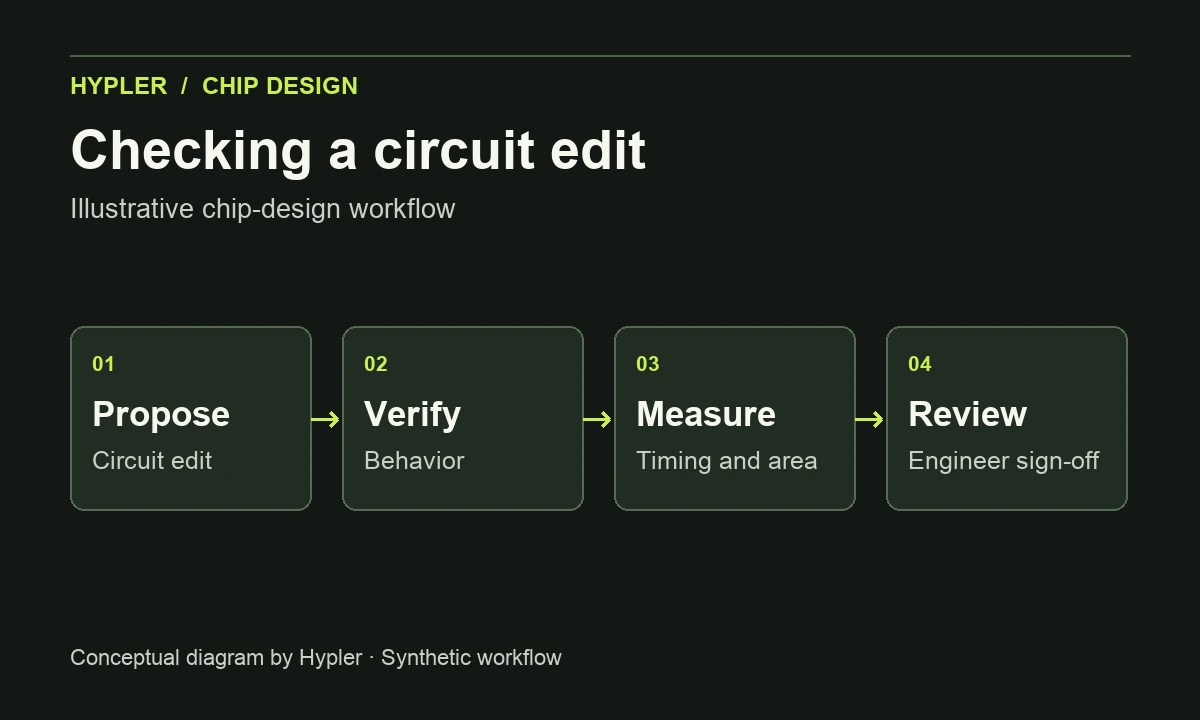
OpenAI reported unit-level area savings on Jalapeño and gains on AMD GPU designs. Design automation tools checked circuit behavior and measured trade-offs.

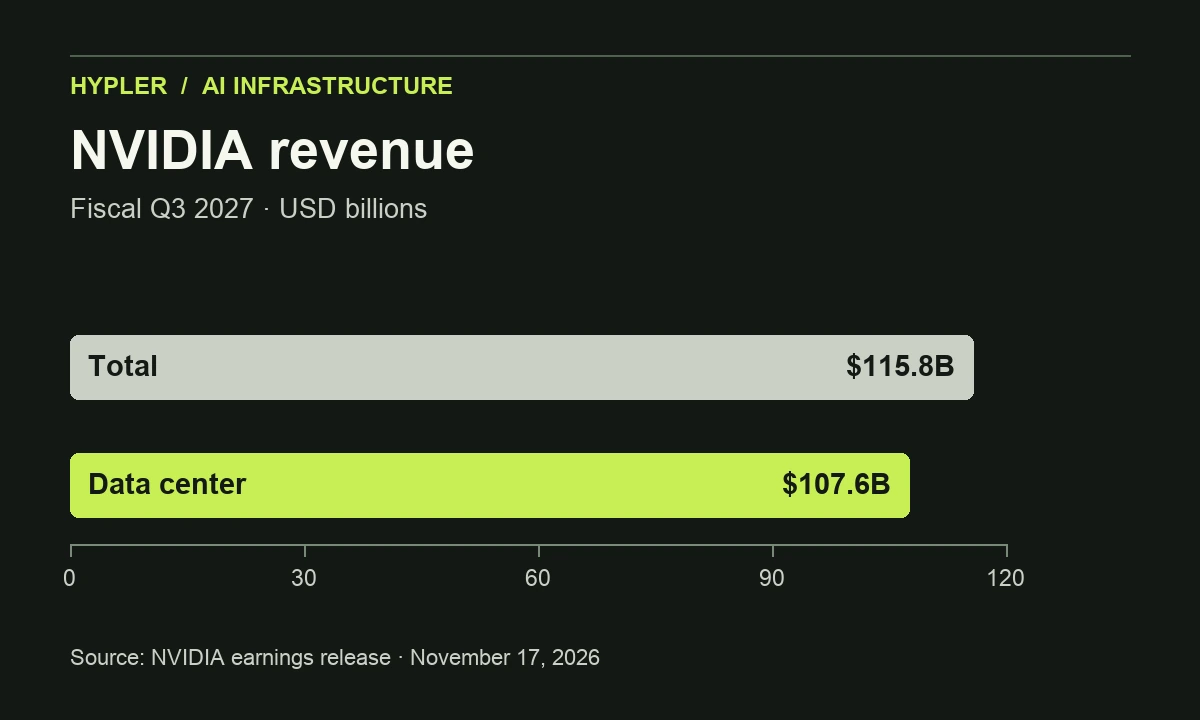
NVIDIA reported $107.6 billion in data center revenue and said Vera Rubin NVL72 shipments had started. The figures put the scale of accelerator demand in context.

Anthropic priced 980 million shares at $83 and debuted on Nasdaq as ANT. The prospectus separates public offering value from issuer proceeds and a concurrent private placement.