Platform Engineering & Software Reliability
Hypler offers platform-engineering services for release automation, testing, reliability, local-first workflows, self-hosted desktop software, and cross-platform delivery.
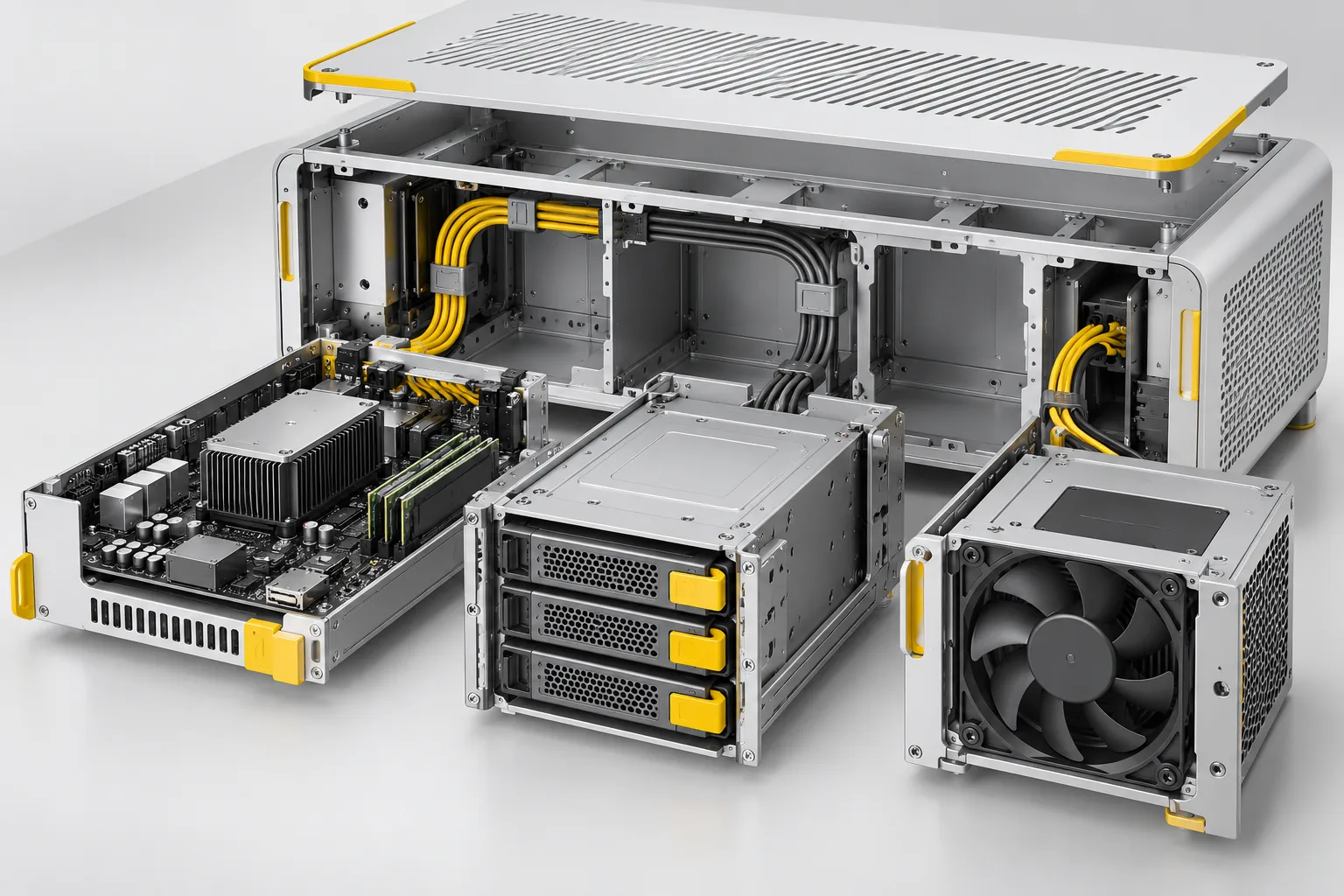
Treat the developer platform as a product for the team
A developer platform is the set of software paths that help a team turn a change into a reliable release: local setup, source control, build steps, tests, environments, observability, and recovery. It should reduce repeated operational work while preserving the details engineers need to understand a failure. The platform becomes useful when it reflects the team's actual application boundaries and release responsibilities.
Hypler offers engineering across the product and operational surfaces that shape this experience: web applications, internal tools, APIs, local-first utilities, self-hosted desktop software, and cross-platform clients. The design begins with the current workflow and a concrete reliability constraint, then identifies the smallest improvement that a team can validate and own.
Build release automation around explicit checks
Release automation should make the path to delivery visible. A useful pipeline names the source revision, build artifact, required validation, review state, environment target, and rollback path. Tests can run automatically, while a human release decision remains associated with the evidence required for that change. This creates a dependable record of what moved and why the team considered it ready.
The strongest automation removes repetitive steps without concealing risk. Use typed configuration, deterministic scripts, narrow permissions, and clear failure output. When a check fails, the platform should show which contract was violated and where the team should investigate. This supports fast iteration because engineers spend less time reconstructing hidden pipeline state.
Make reliability observable from local work through release
Reliability starts before production. Local development should offer fast feedback, controlled fixtures, predictable configuration, and a way to reproduce meaningful failures. A local-first workflow keeps core work possible when a developer is offline or an external dependency is unavailable, while synchronizing through explicit interfaces when connectivity returns. This is especially valuable for desktop and operational tools that need dependable behavior near the work.
Observability connects local testing, build output, runtime health, and user-visible failures into one evidence path. Capture stable identifiers, release version, relevant configuration, error category, and recovery outcome. Avoid a false choice between fast development and clear operations: a platform can provide productive tooling while retaining the logs, checks, and runbooks required to understand how a release behaves.
Use testing to protect interfaces and operating behavior
A mature test strategy covers the contracts that matter to the system: API inputs and outputs, data transformations, user workflows, permission checks, failure states, and release behavior. Unit tests are valuable for isolated logic; integration tests establish that real boundaries work together; end-to-end checks confirm that a person can complete a critical path. The mix should follow the risk and blast radius of the change.
Teams also need regression fixtures for incidents they have already understood. A failed import, invalid state transition, interrupted synchronization, or malformed request can become a named case in the test suite. This turns operational learning into a durable control. It also gives release automation a specific, repeatable signal instead of relying on a general impression that the software appears ready.
Design cross-platform and self-hosted software for ownership
Cross-platform delivery requires a clear separation between shared domain logic and platform-specific behavior. A team can share contracts, data models, and validation while adapting installation, storage, permissions, notifications, and user interaction to each environment. This makes desktop, web, and local service surfaces easier to evolve without forcing every workflow into the same operational model.
Self-hosted software adds direct responsibility for upgrades, backups, access management, monitoring, and recovery. The engineering work should make those responsibilities visible in the product and its runbooks. A team needs an understandable upgrade path, a way to verify its current version, and evidence that the service recovered after a failure. Those capabilities support long-term ownership of the software.
Proposed project scope: strengthen one delivery path
A proposed platform-engineering project can focus on one delivery path that currently creates friction: a difficult local setup, a fragile build, a missing integration check, or an unclear release handoff. The work would map the existing path, define the target contract, add the smallest useful automation, and measure it through named validation.
Deliverables can include local setup improvements, test fixtures, build and release scripts, reliability instrumentation, cross-platform contract work, and a concise operator handoff. The next step is to examine the team's codebase, current process, and ownership boundaries. Hypler then helps shape an implementation sequence that delivers visible engineering value without opening unrelated systems.